Symptoms Of Intestinal Cancer Dogs / The Canine Cancer Crisis Whole Dog Journal - Constantly begging to go out to go to the bathroom, difficulty.
Dapatkan link
Facebook
X
Pinterest
Email
Aplikasi Lainnya
Symptoms Of Intestinal Cancer Dogs / The Canine Cancer Crisis Whole Dog Journal - Constantly begging to go out to go to the bathroom, difficulty.. Here are 12 common dog cancer symptoms that you should be aware of: Canine colon cancer exhibits symptoms which are very similar to irritable bowel syndrome and colitis. Blood in the feces, or tarry, dark stools, could indicate the tumor is bleeding. Signs your dog has cancer here are some of the most common signs of cancer in dogs and the types of cancer that cause them. Vomiting and seizures can be seen in cases where the dog is suffering from an abdominal hemorrhage due to a necrotic tumor core.
Canine colon cancer exhibits symptoms which are very similar to irritable bowel syndrome and colitis. Constantly begging to go out to go to the bathroom, difficulty. However, the symptoms vary depending upon the location of the tumor. S ymptoms of cancer in dogs can be indistinct and varied. This just means that the route of testing is usually different for each dog.
Signs Of Lymphoma In Dogs from www.aspcapetinsurance.com Generally, a dog with intestinal cancer exhibits common symptoms such as anorexia, vomiting, bloody diarrhea, weight loss, abdominal pain and tremors, ascites (fluid accumulation in the abdomen) and in some cases severe constipation. Problems breathing or going to the. Changes in body weight, appetite and vitality are potential signs of cancer of the colon in your pet. Symptoms of bowel cancer can be easily mistaken for symptoms of other intestinal diseases.therefore a veterinarian checkup is imperative as soon as you suspect that there might be something wrong with him. Constantly begging to go out to go to the bathroom, difficulty. Signs your dog has cancer here are some of the most common signs of cancer in dogs and the types of cancer that cause them. Cancer of the digestive system is uncommon, with stomach tumors representing less than 1% and intestinal tumors less than 10% of all cancers in small animals. Here are 12 common dog cancer symptoms that you should be aware of:
The incidence is highest in dogs 10 years of age or older.
Dogs suffering from gastrointestinal cancer might experience vomiting, diarrhea, appetite loss and weight loss. Occasional diarrhea usually isn't a sign of cancer in dogs, says dr. Possible symptoms of adenocarcinomas include weight loss, diarrhea, and loss of appetite. Adenocarcinomas, for example, are among the most common gastrointestinal tumors in dogs, and usually develop in the colon, rectum, and stomach. You will need to give a thorough history of your dog's health, including the onset and nature of the symptoms. Although in older dogs it can also be a symptom of arthritis. When it comes to the signs that can be discerned, most dogs will show symptoms ranging from diarrhea and polydipsia to weight loss, fever, weakness, and lethargy. This just means that the route of testing is usually different for each dog. Constantly begging to go out to go to the bathroom, difficulty. The incidence is highest in dogs 10 years of age or older. Dog stomach tumors are usually malignant (cancerous). Removal of the tumor is often to relieve pain or other symptoms triggered by the tumor. Continuing lameness, like limping or stiffness, can be caused by nerve, muscle, or bone cancer.
Canine colon cancer exhibits symptoms which are very similar to irritable bowel syndrome and colitis. Vomiting, sometimes blood or undigested or food that is not properly chewed Signs your dog has cancer here are some of the most common signs of cancer in dogs and the types of cancer that cause them. The exact cause for this cancer is currently unknown. Here are some symptoms of stomach cancer in dogs to look out for:
Bladder Cancer In Dogs Bluepearl Pet Hospital from bluepearlvet.com It may invade any part of the gastrointestinal system, including the stomach, the small and large intestine, and rectum. When it comes to the signs that can be discerned, most dogs will show symptoms ranging from diarrhea and polydipsia to weight loss, fever, weakness, and lethargy. Rocha, but if it persists or gets worse, get your dog to the vet. Although in older dogs it can also be a symptom of arthritis. Generally, a dog with intestinal cancer exhibits common symptoms such as anorexia, vomiting, bloody diarrhea, weight loss, abdominal pain and tremors, ascites (fluid accumulation in the abdomen) and in some cases severe constipation. You should be especially wary if your dog's. Changes in body weight, appetite and vitality are potential signs of cancer of the colon in your pet. In some cases, the dog may show signs such as:
Belgian shepherds have an increased risk for stomach.
Some of the most common ways to test for cancer in dogs include: Possible symptoms of adenocarcinomas include weight loss, diarrhea, and loss of appetite. However, the location also depends on the type of tumor. Continuing lameness, like limping or stiffness, can be caused by nerve, muscle, or bone cancer. S ymptoms of cancer in dogs can be indistinct and varied. This just means that the route of testing is usually different for each dog. Removal of the tumor is often to relieve pain or other symptoms triggered by the tumor. Here are 12 common dog cancer symptoms that you should be aware of: You will need to give a thorough history of your dog's health, including the onset and nature of the symptoms. When it comes to diagnosing cancer in dogs, there are a number of ways to go about this. The dog affected by gastric adenocarcinoma may not show any symptoms of the disease. Stomach cancer in dogs, if left untreated, will allow the tumors to grow and interferes with normal stomach function. Small amounts of blood might appear in the vomit.
Here are some symptoms of stomach cancer in dogs to look out for: Adenocarcinomas, for example, are among the most common gastrointestinal tumors in dogs, and usually develop in the colon, rectum, and stomach. Certain breeds, such as collies and german shepherds, are more likely to develop adenocarcinoma. Alimentary lymphoma dogs with alimentary lymphoma, which affects the intestines, may present with vomiting, abdominal pain, anorexia, diarrhea, and weight loss. Vomiting, sometimes blood or undigested or food that is not properly chewed
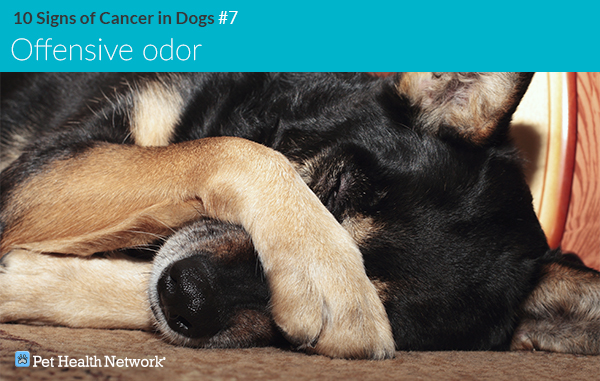
10 Signs Of Cancer In Dogs from www.pethealthnetwork.com The thought of colon cancer is certainly a frightening prospect, but keep in mind there are many noncancerous causes of these symptoms. Generally, a dog with intestinal cancer exhibits common symptoms such as anorexia, vomiting, bloody diarrhea, weight loss, abdominal pain and tremors, ascites (fluid accumulation in the abdomen) and in some cases severe constipation. Other signs of canine abdominal cancer include anemia, lethargy, diarrhea, bloody stool, dark colored stool, loss of appetite, and loss of sleep. Constantly begging to go out to go to the bathroom, difficulty. Changes in weight, appetite and energy levels are all potential signs of colon cancer in your dog. Unexplained lumps and bumps several forms of cancer can cause lumps or bumps on your dog's body, including a mammary gland tumor. When it comes to diagnosing cancer in dogs, there are a number of ways to go about this. Symptoms of bowel cancer can be easily mistaken for symptoms of other intestinal diseases.therefore a veterinarian checkup is imperative as soon as you suspect that there might be something wrong with him.
No particular breed is known to be predisposed and it is more common in male dogs than females.
Unexplained lumps and bumps several forms of cancer can cause lumps or bumps on your dog's body, including a mammary gland tumor. Stomach cancer in dogs, if left untreated, will allow the tumors to grow and interferes with normal stomach function. The incidence is highest in dogs 10 years of age or older. Signs your dog has cancer here are some of the most common signs of cancer in dogs and the types of cancer that cause them. Cancer of the digestive system is uncommon, with stomach tumors representing less than 1% and intestinal tumors less than 10% of all cancers in small animals. In some cases, the dog may show signs such as: Vomiting, sometimes blood or undigested or food that is not properly chewed This just means that the route of testing is usually different for each dog. Continuing lameness, like limping or stiffness, can be caused by nerve, muscle, or bone cancer. You should be especially wary if your dog's. Occasional diarrhea usually isn't a sign of cancer in dogs, says dr. Vomiting and seizures can be seen in cases where the dog is suffering from an abdominal hemorrhage due to a necrotic tumor core. In many cases, the symptoms are only visible when the disease is in an advanced state.
Cancer Council Sale - Spf30 To Spf50 Sunscreen Sun Uv Protection Cancer Council Shop / Not all products or specials displayed on the online store are available in all cancer council retail shops. . Items 1 to 28 of 147 total. Suzi capeline hat r44l from $26.57 $37.95. Cancer council bondi matte black/bluetcc1303936 cancer council bondi 1303936 $39.60. On behalf of cancer council sa, colliers international is pleased to present the opportunity to purchase 204 greenhill road, eastwood with the following key attributes: All donations over $2 are tax deductible. Outback lightweight fedora hat rm733 $49.95. Cancer council's 2019 bowel screening campaign, funded by the australian government, will prevent 860 bowel cancer cases, saving 470 lives over the next 50 years. Cancer council spf 50+ day wear face matte invisible 4hr water resistant 75ml tube. Sunsmart's shade comparison check allows you to assess the quality and need for shade at various sites within your ...
Sema nomor 2 tahun 2020 bertentangan dengan sema no. 04 tahun 2012 tentang perekaman sidang. Bahwa perekaman persidangan yang terbuka untuk umum, pada dasarnya tidak dilarang sebagaimana dimaksud dalam surat edaran mahkamah agung nomor 04 tahun 2012 tentang perekaman proses persidangan (sema 4/2012) mengatur mengenai perekaman sidang. Akhir tahun 2019 hingga awal 2020, virus corona hanya menjadi berita manca negara. Se ttg kesiapsiagaan rs rujukan dlm penanganan rujukan maternal dan neonatal … Keputusan Menteri Kesehatan Republik Indonesia Nomor HK.01 from covid19.go.id Akhir tahun 2019 hingga awal 2020, virus corona hanya menjadi berita manca negara. 04 tahun 2012 tentang perekaman sidang. Sema nomor 2 tahun 2020 bertentangan dengan sema no. Bahwa perekaman persidangan yang terbuka untuk umum, pada dasarnya tidak dilarang sebagaimana dima...
How To Make A External Graphics Card - How To Upgrade Your Notebook with an External Graphics Card - If needed, you can also buy port conversion adapters too. . An external graphics card let you have your cake (no lie. An external graphics card let you have your cake (no lie) and eat it too. The intel graphics settings doesn't detect the external monitor and only shows the display of the laptop. Intel graphics settings can't even detect the monitor, and nvidia card shows that one display is connected. The graphic processing unit card. To install a graphics card, start by uninstalling the old drivers on your computer. The issue is that i can't make it work on the internal intel gpu and it's working on the internal nvidia 980m. How to configure autodesk software to use the high performance graphics card (gpu) on systems with dual video (integrated and discrete graphics). To optimize battery life, many laptop pcs contain an graphics adapter integrated...




Komentar
Posting Komentar